What is a Pelvic Floor Physiotherapist?
When it comes to the specialised area of pelvic health, physiotherapy takes on a unique and highly impactful role. The term Pelvic Floor Physiotherapist is actually not the right term for this specialty group of practitioners as this service deals with a wide scope of practic as outlined in this article. Officially these Physios are called women’s, men’s, and pelvic health physiotherapists, reflecting their work across these three key groups.

Women’s Pelvic Health: A Multifaceted Approach
Women’s pelvic health encompasses a wide array of concerns, ranging from pregnancy-related issues to chronic conditions affecting the pelvic region.
Key Areas of Focus
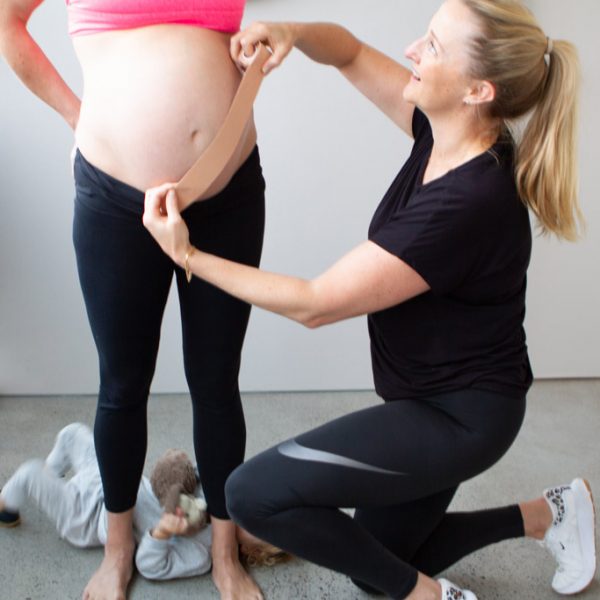
Pregnancy and Post-Natal Health: Pregnancy and childbirth bring immense changes to a woman’s body, often impacting the pelvic floor. Conditions such as diastasis recti (abdominal muscle separation), pelvic girdle pain, and post-natal back pain are common. A pelvic floor physiotherapist provides tailored rehabilitation, guiding women back to strength and functionality while ensuring a safe return to physical activities.
Pelvic Pain and Endometriosis: Chronic pelvic pain can be life-altering, and one of the common culprits is endometriosis, a condition where uterine-like tissue grows outside the uterus. Physiotherapists work to ease pelvic muscle tension and teach pain management techniques, improving quality of life.
Pelvic Organ Prolapse: When the tissues supporting the pelvic organs weaken, the organs can drop, causing significant discomfort and complications. Targeted pelvic floor exercises are prescribed to strengthen the supportive muscles, often helping to manage symptoms.
Continence Issues: Pelvic floor dysfunction, including urinary and faecal incontinence, is a sensitive but crucial area of focus. Physiotherapy aims to strengthen the muscles involved, restore bladder control, and improve bowel function.
Mastitis: For breastfeeding mothers, mastitis is a painful inflammation of breast tissue. Our physiotherapists may use therapeutic techniques, including therapeutic ultrasound, to help relieve this discomfort and assist in preventing recurring episodes.
Men’s Pelvic Health: Specialised Care Beyond Common Perceptions
Men’s pelvic health often remains an under-discussed topic, yet many men deal with issues that affect daily living and well-being. A specialised pelvic floor physiotherapist works sensitively to address these concerns.
Common Conditions Addressed
Prostate Health and Post-Surgical Recovery: After prostate surgery, issues such as incontinence and pelvic pain are prevalent. Our physiotherapists provide exercises to strengthen the pelvic floor, assisting with bladder control and reducing pain.
Chronic Prostatitis/Chronic Pelvic Pain Syndrome (CP/CPPS): This condition involves long-term pelvic pain and discomfort, often with no clear cause. Physiotherapy can include manual therapy, relaxation techniques, and exercises to alleviate tension and pain in the pelvic area.
Bladder and Bowel Dysfunction: Incontinence and bowel-related issues, while distressing, are treatable. Pelvic health physiotherapists develop individualised programs to strengthen the pelvic floor muscles and improve function.
Children’s Pelvic Health: Support with Sensitivity
Children, too, can face pelvic floor dysfunction, though their needs differ considerably from adults. Our team is trained to handle these delicate issues with care and understanding.
Conditions We Help Manage
Bedwetting (Enuresis): Bedwetting beyond the expected age can be a source of anxiety for children and families. Physiotherapy can involve education on bladder habits, pelvic floor exercises, and strategies to enhance bladder control.
Constipation and Daytime Wetting: These conditions are often related to pelvic floor dysfunction. Our therapists guide children and families through strategies to improve bowel regularity and bladder control, ensuring a compassionate and child-friendly approach.
The Scope of Pelvic Dysfunction and How Physiotherapy Helps
Pelvic dysfunction can affect anyone, regardless of gender or age, and physiotherapy offers a significant way to address these issues. Let’s explore common conditions that pelvic health physiotherapy can treat.
Pelvic Floor Dysfunction: This umbrella term covers the inability to correctly control the pelvic floor muscles, leading to symptoms like constipation, painful bowel movements, and frequent urination. Physiotherapists can help retrain these muscles, improving control and reducing symptoms.
Urinary Incontinence: An embarrassing but common issue, urinary incontinence occurs when the pelvic muscles weaken. Specialised exercises, biofeedback, and muscle re-education techniques are employed to help regain control.
Pelvic Organ Prolapse: When pelvic organs descend due to muscle weakness, it causes significant discomfort. Physiotherapists design strength programs that may prevent further prolapse and relieve associated symptoms.
Pelvic Pain: Pain can arise from numerous causes, such as interstitial cystitis or pelvic inflammatory disease. Physiotherapy focuses on reducing muscle tension and enhancing mobility.
Sexual Dysfunction: Painful intercourse or erectile dysfunction may stem from pelvic floor issues. Our therapists work discreetly with patients to manage pain and improve function.

Pregnancy and Postpartum Care: Unique Physiotherapy Needs
The childbearing years can be a time of dramatic change for a woman’s body. Our pelvic health physiotherapists provide the necessary support through:
Diastasis Recti (DRAM) Rehabilitation: The separation of abdominal muscles during pregnancy is common, but it can lead to core instability. Physiotherapists help mothers safely restore core strength and stability.
Mastitis Management: As mentioned, therapeutic techniques are employed to address blocked milk ducts, often a painful postpartum complication.
Pelvic Girdle Pain and Back Pain: Physiotherapy during and after pregnancy can alleviate these discomforts through strengthening and stabilisation exercises tailored to the changing body.
Post-Surgical Rehabilitation: Facilitating Recovery
Surgery involving the pelvic organs, such as a hysterectomy or prostatectomy, can lead to pelvic floor dysfunction. Physiotherapists play a crucial role in:
Bladder and Bowel Training: Helping patients regain normal bladder and bowel function through exercises and habit training.
Pain Reduction Techniques: Employing gentle manual therapy, exercises, and muscle relaxation techniques to reduce pain.
Restoring Mobility: Post-surgical physiotherapy can significantly improve mobility and speed up recovery, ensuring the body returns to optimal function.
Why Choose a Pelvic Floor Physiotherapist?
Our pelvic health physiotherapists at Move Beyond are not just general physiotherapists; they have undergone additional training and gained recognised qualifications in pelvic health. Furthermore, we pride ourselves on an ongoing commitment to professional development, ensuring our practitioners are always up-to-date with the latest evidence-based techniques.
At Beyond, we redefine what it means to provide comprehensive, compassionate, and expert care. From women managing postpartum issues, men dealing with prostate complications, to children facing pelvic floor dysfunction, our team is equipped to make a meaningful difference.

The Training and Expertise Behind Our Team
Pelvic floor physiotherapy is a specialised area, requiring extensive knowledge of anatomy, neurology, and specific therapeutic techniques. Our team’s expertise comes from years of additional training and hands-on experience. Furthermore, our clinic fosters an environment of continuous learning, with regular professional development courses to ensure the highest standard of care.
The Impact of Pelvic Health Physiotherapy
Pelvic health physiotherapy is transformative for many. By addressing sensitive and often hidden issues, our practitioners restore not only physical function but also confidence and quality of life. Whether it’s helping a new mother regain strength, a man recover post-surgery, or a child manage bladder issues, the impact is profound.
In conclusion, pelvic floor physiotherapists serve as vital practitioners in the healthcare landscape, equipped to handle complex, multifaceted conditions with empathy, skill, and a commitment to improving everyday life. If you or a loved one faces a pelvic health challenge, know that compassionate and effective help is available, right here at Move Beyond.
You can see one of our Physiotherapists- meet the team here