Exercise During Cancer Treatment | Exercise Physiology
Exercise During Cancer Treatment: How Exercise Physiology Can Help
Cancer treatment can take a significant toll on the body. Fatigue, loss of strength, reduced fitness, and changes in confidence and energy can all make movement feel harder than it did before.
It can also leave people wondering: Should I be exercising during cancer treatment? Is it safe? And what kind of exercise should I actually be doing?
For most people, appropriately prescribed exercise can be a valuable part of cancer care, both during treatment and throughout recovery.
Research shows that exercise can help manage some of the physical and psychological effects of cancer and its treatment, including cancer-related fatigue, reduced strength and fitness, physical function, and quality of life.
In Australia, the Clinical Oncology Society of Australia (COSA) recommends that exercise be incorporated into routine cancer care and that people with cancer be referred to an appropriately qualified health professional, such as an Accredited Exercise Physiologist (AEP), for individualised exercise advice.
So, what does that actually look like?
What are the benefits of exercise during cancer treatment?
The benefits of exercise will vary depending on the person, their cancer, treatment, and overall health. However, some of the strongest evidence supports exercise for:
Reducing cancer-related fatigue
Cancer-related fatigue is one of the most common side effects of cancer and its treatment.
And while it can feel counterintuitive to exercise when you are already exhausted, appropriately prescribed physical activity can actually help reduce cancer-related fatigue.
This does not mean pushing through exhaustion or trying to maintain the exercise routine you had before treatment. The type, intensity and amount of exercise may need to change significantly throughout treatment.
The goal is to find the right amount of movement for your body at that point in time.
Maintaining strength and muscle mass
Cancer treatment and periods of reduced activity can contribute to loss of muscle mass and strength.
Resistance exercise can help maintain or rebuild strength, support everyday function and make activities such as walking, climbing stairs, working and returning to usual activities easier.
For some people, maintaining strength throughout treatment can be just as important as rebuilding it afterwards.
Maintaining fitness and physical function
Chemotherapy, radiotherapy, surgery and reduced activity can all affect physical capacity.
Aerobic exercise, such as walking or cycling, can help maintain cardiovascular fitness and endurance. Combined with strength training, it can help people maintain their ability to do the things that matter to them.
Supporting wellbeing and quality of life
Exercise is not only about physical fitness.
Research has also found benefits for quality of life and psychological wellbeing in people living with and beyond cancer.
For someone going through treatment, having a structured and achievable way to move can also provide a sense of routine and progress during a time when many things can feel outside their control.
Can you exercise during chemotherapy?
For many people, yes.
Exercise during chemotherapy can be safe and beneficial when it is appropriately tailored to the individual.
However, chemotherapy affects everyone differently. Energy levels can change across a treatment cycle, and factors such as blood counts, nausea, peripheral neuropathy, pain, dizziness, and other treatment side effects can influence what is appropriate on a particular day.
This is why an exercise program during chemotherapy should be flexible.
You might feel capable of doing more at one point in your treatment cycle and need a much lighter session at another. Your exercise program should adapt with you rather than expecting your body to perform at the same level every week.
What about exercise during radiotherapy?
Many people can also continue exercising during radiotherapy.
Fatigue often increases as radiotherapy progresses, so exercise may need to be adjusted over the course of treatment.
The area being treated, skin reactions, pain and other side effects may also influence the type of exercise that is appropriate.
Again, the goal is not to hit a particular fitness target. It is to use exercise strategically to help maintain strength, fitness and function while working around treatment and its side effects.
What does an Exercise Physiologist do in cancer care?
An Accredited Exercise Physiologist is a university-qualified allied health professional who uses exercise to help manage chronic health conditions, injuries and complex medical conditions.
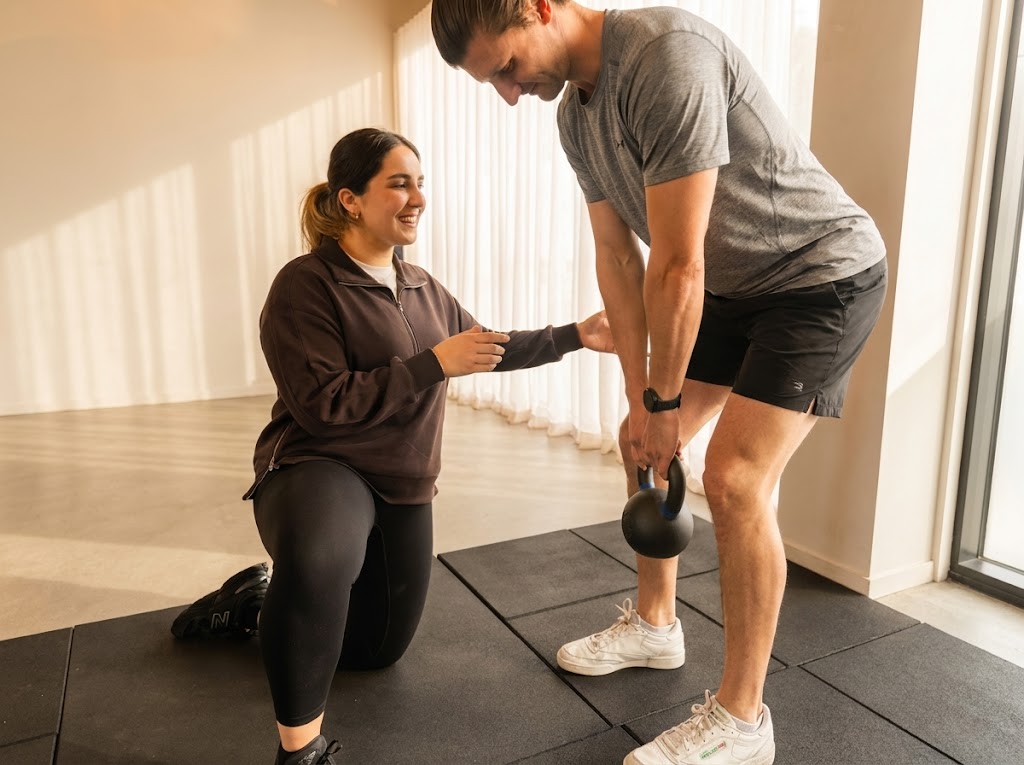
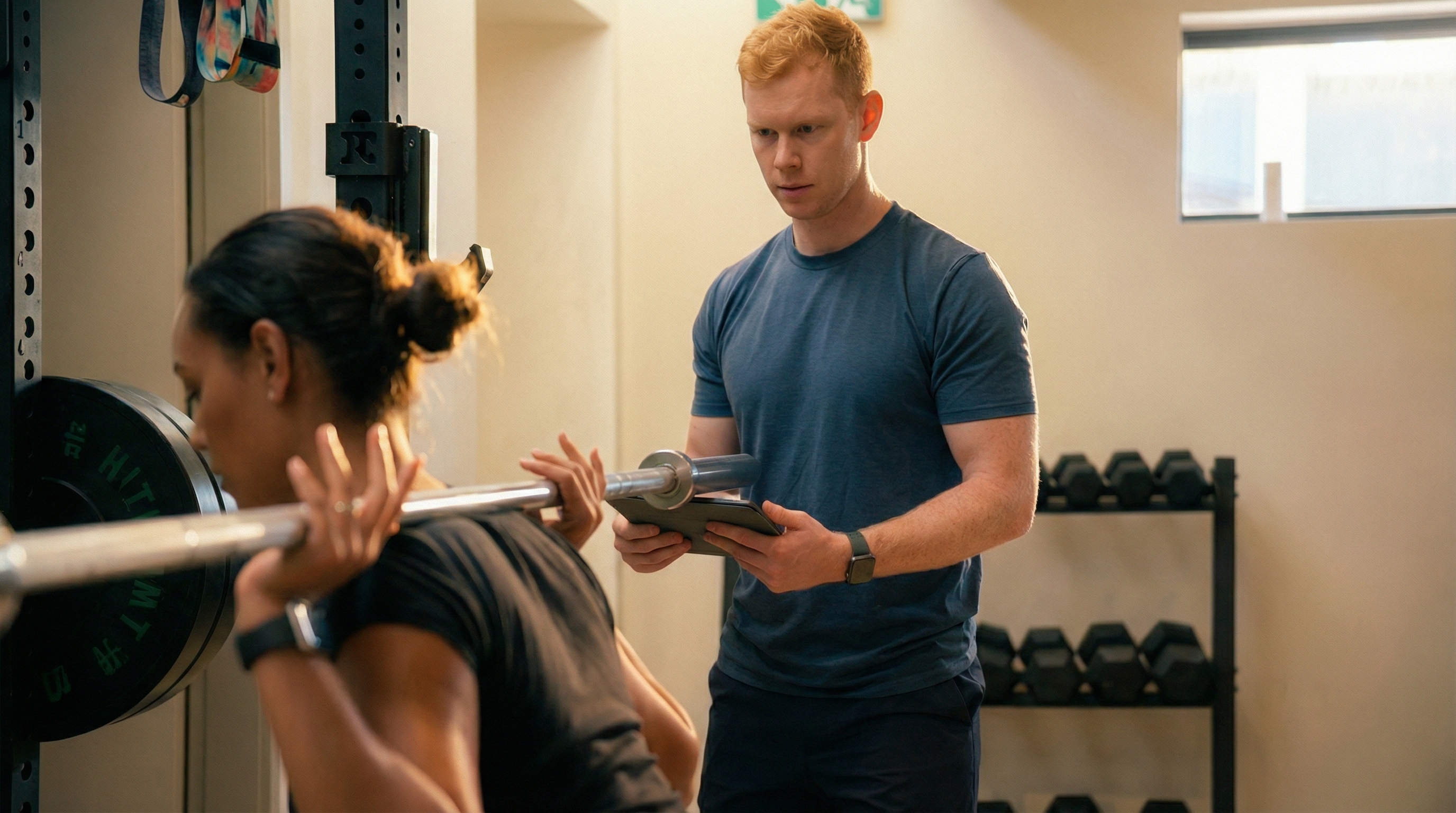
In cancer care, an Exercise Physiologist can assess where you are now and develop an exercise program around your individual circumstances.
This may include considering:
your cancer diagnosis and treatment
whether you are preparing for, currently undergoing or recovering from treatment
your current strength and fitness
fatigue and other treatment-related symptoms
previous injuries or health conditions
medications and treatment cycles
balance or peripheral neuropathy
bone health and the presence or risk of bone metastases
your goals and the activities you want to get back to.
Your program can then be adjusted as treatment progresses and your needs change.
This is particularly important because there isn't one single “cancer exercise program”.
Someone preparing for surgery may need something completely different from someone midway through chemotherapy, recovering from radiotherapy or rebuilding strength months after treatment has finished.
What type of exercise is best during cancer treatment?
Most cancer exercise programs use a combination of aerobic exercise and resistance training.
Aerobic exercise might include walking, cycling or other activities that increase your heart rate.
Resistance training involves working your muscles against resistance using weights, machines, resistance bands or body weight.
The right combination depends on your symptoms, treatment, current capacity and goals.
For some people, the starting point may be short periods of gentle movement. For others, maintaining a relatively comprehensive strength and aerobic program may be appropriate.
There is no benefit in comparing your program with someone else's. The important part is finding the right dose of exercise for you.

Can exercise improve cancer outcomes?
This is an exciting and rapidly developing area of research.
For many years, observational research has shown associations between higher physical activity levels and improved outcomes in some cancers, particularly breast, colorectal and prostate cancer.
More recently, the CHALLENGE trial provided important new evidence.
Published in 2025, this large randomised controlled trial followed people with colon cancer who had completed surgery and chemotherapy. Participants who completed a structured exercise program had better disease-free survival than those who received health education alone.
The study is significant because it moves beyond simply observing that more active people tend to have better outcomes. It provides randomised trial evidence supporting structured exercise after treatment for a specific group of people with colon cancer.
Research continues to explore how exercise may influence outcomes across different cancers and stages of treatment.
What we already know is that exercise has an important role in helping many people manage the physical impact of cancer and its treatment.
When should you start exercising after a cancer diagnosis?
There is no single right time.
Exercise can have a role before, during, and after cancer treatment.
Before treatment, exercise may be used as part of prehabilitation to improve strength and physical capacity ahead of surgery or other treatment.
During treatment, the focus may shift towards maintaining strength, managing fatigue and preserving function.
After treatment, exercise may become part of rehabilitation, helping rebuild fitness, strength and confidence and supporting a return to work, sport or everyday life.
The right starting point depends on your individual circumstances.
Exercise that meets you where you are
A cancer diagnosis can change how your body feels and what it can do, sometimes from one week to the next.
Your exercise program should be able to change with it.
At Move Beyond, our Exercise Physiologists work with people with a range of health conditions to create individualised exercise programs based on their health, capacity and goals.
For people living with or recovering from cancer, that means looking beyond a generic exercise plan and considering where you are in your treatment, how you're feeling and what you want to maintain or get back to.
If you're wondering whether exercise could be part of your cancer treatment or recovery, our Exercise Physiology team can help you understand what may be appropriate for you.
Frequently Asked Questions
Is exercise safe during chemotherapy?
For many people, exercise during chemotherapy is safe when it is appropriately prescribed and adjusted for treatment side effects, current health and capacity. There may be times when exercise needs to be reduced, modified or temporarily paused, which is why individual advice is important.
Can exercise help with cancer-related fatigue?
Yes. Cancer-related fatigue is one of the areas where the evidence for exercise is strongest. Regular, appropriately prescribed exercise can help reduce fatigue during and after cancer treatment.
Should I exercise if I have cancer?
For many people with cancer, some form of physical activity is recommended. The type and amount will depend on your cancer, treatment, symptoms, health and current fitness. An Exercise Physiologist with experience in cancer care can help determine what is appropriate.
What is exercise oncology?
Exercise oncology is the use of evidence-based exercise prescription to support people before, during and after cancer treatment. Programs are tailored to the individual and may focus on fatigue, strength, fitness, physical function, treatment side effects and recovery.
Do I need an Exercise Physiologist during cancer treatment?
Not everyone requires supervised exercise, but an Accredited Exercise Physiologist can be particularly valuable when treatment side effects, other health conditions or cancer-related considerations make exercise more complex. They can prescribe and adapt exercise around your individual needs and work as part of your broader healthcare team.