Sore After Sport? DOMS, Muscle Recovery & When to Get Help
I'm So Stiff and Sore After Sport. What Should I Do?
Your guide to muscle soreness, DOMS, recovery after a big sporting event and knowing when it's time to get some help.
You did it. You crossed the finish line, completed the challenge, played your heart out, or finally tackled that event you've been training for.
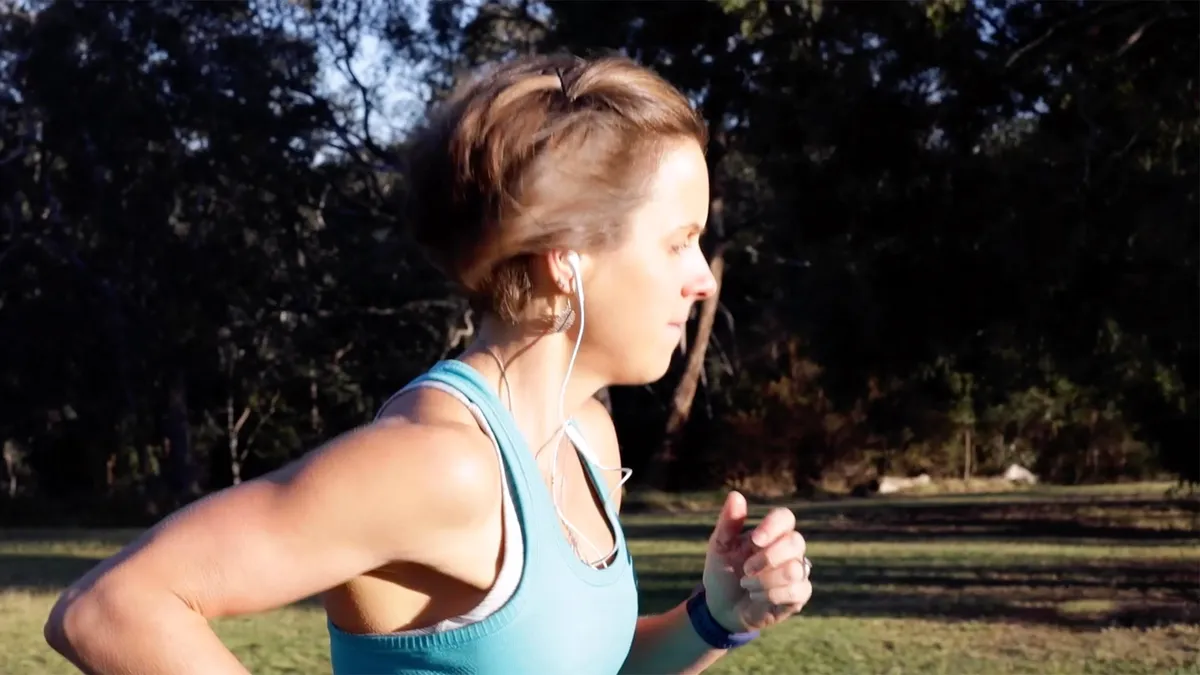
Yesterday, Melbourne was buzzing with thousands of runners taking on the Melbourne Marathon Festival. Some were chasing personal bests, others were tackling their first 10km, half marathon or full marathon. And plenty were just hoping to make it to the finish line! Or perhaps you were part of the Netball Spring Shoot Out competition at the Victorian Netball Centre that hosted 10 teams of Mums from local Primary schools batteling out for glory and to help support My Room.
But today? Well, that's a different story.
Getting out of bed feels like an Olympic event. Walking downstairs requires some serious negotiation with your quads. And sitting on the toilet? Let's not even talk about it.
Welcome to the day after a big sporting event.
As our weather improves and the calendar fills with running events, triathlons, cycling challenges, and weekend sporting competitions, it's a good time to talk about something we don't always give enough attention to.
Recovery.
Because what you do after a big event matters too. And while some muscle soreness is completely normal, knowing the difference between your body recovering and your body telling you something is wrong is important.
Why am I so sore after exercise?
First, the good news. Feeling stiff and sore after a big physical effort doesn't automatically mean you've injured yourself.
There's a good chance you're experiencing something called Delayed Onset Muscle Soreness, or DOMS.
DOMS is the muscle soreness that develops after exercise, particularly when you've pushed harder, gone further or done something your body isn't accustomed to.
It's especially common after activities involving lots of eccentric muscle contractions. That's when your muscles are working while lengthening, like controlling your body as you run downhill, land from a jump or lower yourself into a squat.
These movements place significant demands on your muscles.
The result is microscopic disruption to muscle tissue and an inflammatory response as your body adapts to the load.
And no, despite what you might have heard, it's not lactic acid hanging around in your muscles. That's a long-standing myth.
When does DOMS start, and how long does it last?
DOMS typically develops around 12 to 24 hours after exercise, often peaks between 24 and 72 hours, and gradually settles over the following days.
So if you ran the Melbourne Marathon yesterday and you're feeling surprisingly good today, don't get too comfortable. Tomorrow might be interesting!
Common symptoms include:
General muscle tenderness and aching
Stiffness, particularly after sitting or resting
Reduced flexibility or range of movement
Muscles that feel heavy or temporarily weaker
Discomfort when walking downstairs, squatting or getting up from a chair
DOMS generally improves within three to five days, although significant soreness can sometimes last closer to a week.
Importantly, being sore doesn't mean you've had a better workout. You can build strength, improve fitness and make excellent progress without being sore afterwards.
What's the best way to recover after a marathon or big sporting event?
Here's where people tend to overcomplicate things.
You don't necessarily need expensive recovery boots, an ice bath, five different supplements and a complicated stretching routine.
The foundations of good recovery are actually pretty simple.
1. Keep moving, but take it easy
We know. When your legs feel like concrete, the last thing you want to do is move.
But gentle movement can help ease stiffness and make you feel more comfortable.
Try a short walk, an easy spin on the bike, some relaxed mobility exercises or gentle swimming.
The key word here is gentle.
You're not trying to squeeze in another training session. You're simply keeping your body moving without placing more significant stress on already fatigued muscles.
If you're limping, compensating or finding that movement is making things worse, it's time to back off.
2. Eat properly. Your muscles need fuel.
After a big event, your body has some work to do.
Your muscles need to repair, your energy stores need replenishing and your body needs enough nutrients to support the recovery process.
Two particularly important nutrients are:
Protein: Supports muscle repair and adaptation. Think eggs, yoghurt, fish, chicken, tofu or legumes.
Carbohydrates: Help replenish the glycogen stores you've used during exercise. Think rice, pasta, potatoes, fruit, bread and oats.
You don't need to make this complicated. A decent meal containing both carbohydrates and protein is a great start.
And don't forget to keep eating well over the next few days. Recovery doesn't finish when you've had your first post-race meal.
3. Rehydrate, especially after a long event
Even on a cooler morning, you can lose a significant amount of fluid through sweat during prolonged exercise.
Replacing that fluid matters.
Drink regularly after your event and throughout the day, using thirst and urine colour as general guides. If you've been sweating heavily or exercising for several hours, replacing electrolytes, particularly sodium, may also be useful.
You don't need to drink litres of water in one go. In fact, excessive water intake can be dangerous.
Aim for steady rehydration alongside your usual meals.
4. Prioritise sleep
If there was one recovery strategy we'd love more people to take seriously, it's sleep.
Your body carries out important repair and adaptation processes while you're sleeping. Quality sleep also supports immune function, hormonal regulation and your ability to recover mentally from a big physical effort.
Aim for around seven to nine hours if you're an adult, recognising that some people need more.
And if you're absolutely exhausted after your event, give yourself permission to have an early night.
Sometimes the most effective recovery strategy is also the least exciting.
5. Don't rush back into training
This is a big one, particularly for runners.
You've spent months preparing for an event. You've crossed the finish line. You're feeling motivated.
And suddenly you're looking at your next race.
We love the enthusiasm, but your body might need a little longer.
Even when muscle soreness settles, other tissues and systems may still be recovering from the demands of a long event.
After a marathon, it's sensible to allow a period of reduced training, with the duration depending on your experience, how hard you raced and how you're recovering.
There's no magic number of days that works for everyone.
A gradual return to exercise is generally much smarter than jumping straight back into your normal training load.
Should I stretch sore muscles?
Gentle stretching is fine if it feels comfortable.
But here's something worth knowing. Stretching hasn't been shown to reliably prevent or significantly reduce DOMS.
So you don't need to force yourself through an intense stretching routine just because your legs are sore.
If stretching feels good, great. Keep it gentle.
If it hurts, don't push it.
Sometimes a short walk or some comfortable mobility exercises will feel much better than trying to force your hamstrings into a stretch they clearly aren't enjoying.
One of our favourite mobility stretches
Am I too sore for a massage after sport?
This is one of the most common questions we hear.
And the answer is, it depends.
You don't necessarily need to wait until all your muscle soreness disappears before having a massage.
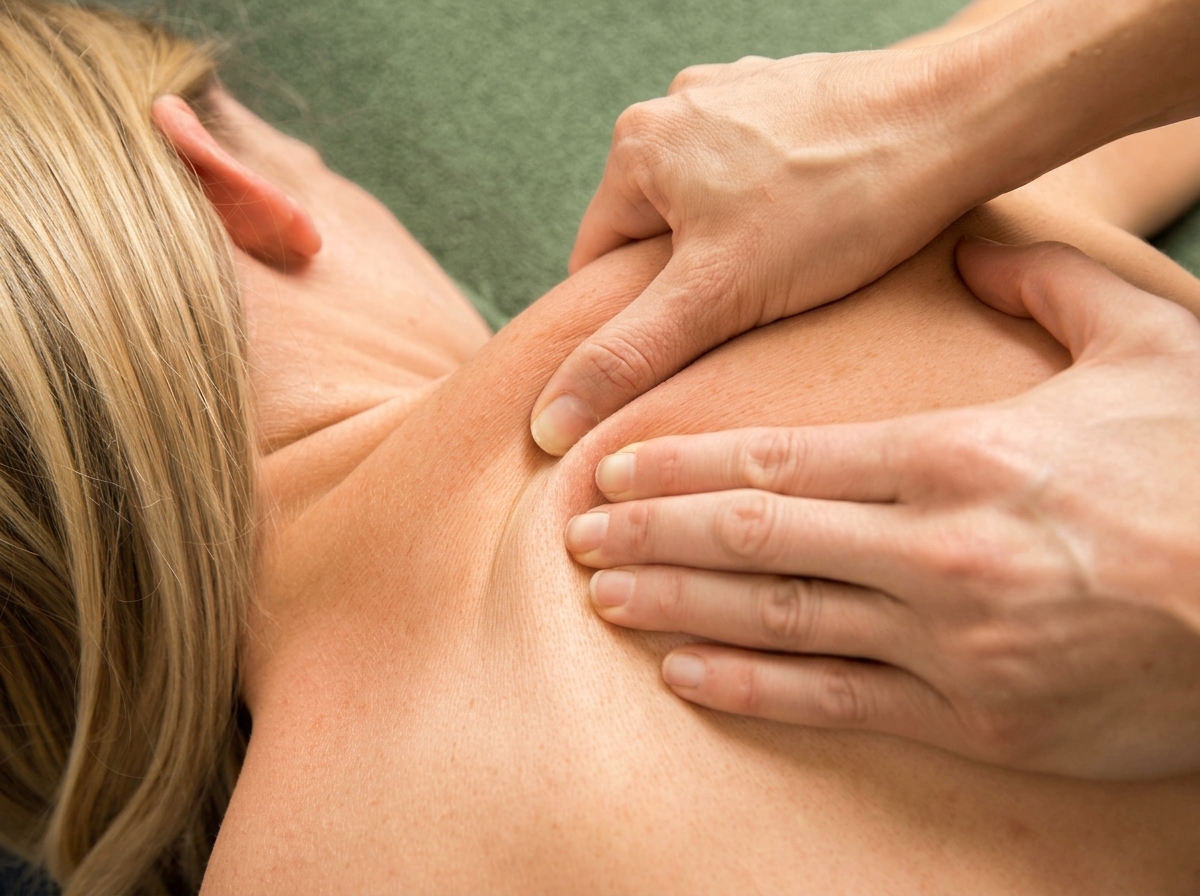
A gentle massage after exercise may help reduce the perception of soreness, ease muscle tension and make you feel more comfortable.
But the type of massage, the pressure used and the timing all matter.
Can I have a massage the day after a marathon?
Potentially, yes.
If you're experiencing typical post-exercise muscle soreness, a gentle recovery-focused massage within the first 24 to 48 hours may be appropriate.
However, we'd generally avoid very aggressive deep tissue techniques when your muscles are already extremely tender.
More pressure doesn't automatically mean better results.
In fact, an overly intense massage can leave you feeling even more sore.
Your massage therapist should ask about your event, your symptoms and how you're feeling before deciding on the most appropriate treatment.
And if you're wincing your way through the entire session, speak up. Massage doesn't need to be painful to be beneficial.
When should I avoid massage?
Massage isn't always the right first step.
If you have significant swelling, bruising, sharp localised pain, a suspected muscle tear or an injury that occurred during your event, it's worth having the area assessed before booking a massage.
Likewise, if your muscles are unusually painful, extremely swollen or you're feeling unwell, seek medical advice rather than trying to massage the discomfort away.
There's also no need to rush into treatment simply because you've completed a big event.
If you're comfortable, recovering well and would rather wait a few days, that's perfectly reasonable too.
How do I know if it's DOMS or an actual injury?
This is probably the most important question in this entire article.
Because while muscle soreness is common after sport, not every ache and pain should be dismissed as normal recovery.
Here's a useful way to think about it.
Typical DOMS | Possible injury |
|---|---|
Soreness develops gradually after exercise | Pain may start suddenly during activity |
Often affects several muscles or both legs | Often concentrated in one specific area |
Feels like a general ache or stiffness | May feel sharp, stabbing or distinctly localised |
Gradually improves over several days | Persists, worsens or limits normal movement |
Gentle movement may ease discomfort | Certain movements may reproduce significant pain |
These aren't absolute rules. Some injuries develop gradually, and DOMS can affect just one muscle group.
But they can help you recognise when something might need a closer look.
Signs it's time to see a physiotherapist or osteopath
Consider booking an assessment if:
You felt a sudden pull, pop or sharp pain during your event.
You're limping or struggling to walk normally.
You have noticeable swelling or bruising.
Pain is concentrated around a tendon, bone or joint rather than the surrounding muscles.
Your symptoms are getting worse instead of gradually improving.
You can't comfortably perform your usual daily activities.
Your soreness hasn't meaningfully improved after several days, or persists beyond a week.
And importantly, you don't need to wait until you're in significant pain to seek advice.
Sometimes a relatively small issue can become a bigger problem when you continue training through it.
A note on severe symptoms: Extreme muscle pain or swelling, profound weakness, dark tea-coloured urine or reduced urination after strenuous exercise can indicate a serious condition called rhabdomyolysis. Seek urgent medical assessment if these occur. Sudden severe pain with a tense, swollen limb also needs emergency assessment.
Should I see a physio, osteo, myotherapist or massage therapist for recovery?
It really comes down to what you're experiencing.
If you're generally stiff and sore, without signs of injury, a remedial or sports massage may be a good option to help you feel more comfortable.
If you've developed a specific pain, you're unsure whether something is injured or your movement has changed, an assessment with a physiotherapist or osteopath may be more appropriate.
Your practitioner can assess what's happening, help you understand your symptoms and provide advice on managing your recovery.
They can also guide your return to training, particularly if you've developed an injury or you're preparing for another event.
At Move Beyond, our physiotherapists, osteopaths, exercise physiologists and massage therapists work collaboratively, so your care can be tailored to what you actually need.
Not every sore muscle needs treatment. And not every injury needs complete rest.
The important thing is knowing the difference.
How soon can I start running or training again?
There's no universal answer.
A recreational runner who has completed their first marathon will likely need a different recovery plan from someone who regularly competes over long distances.
Similarly, recovering from a weekend basketball tournament is different from recovering from a 100km trail run.
Before returning to harder training, ask yourself:
Can I walk and move normally without pain?
Has my muscle soreness significantly improved?
Do I feel generally rested and energised?
Can I complete some gentle exercise without symptoms worsening during or afterwards?
Am I returning gradually rather than trying to make up for missed sessions?
If you're answering no to several of these questions, give yourself more time.
And if pain is preventing you from returning to exercise, that's a good reason to seek an assessment.
Recovery is part of the achievement
We spend so much time talking about the preparation.
The early mornings. The long runs. The strength sessions. The training plans. The discipline it takes to get to the starting line.
But recovery deserves a place in that conversation too.
Whether you crossed the finish line at the Melbourne Marathon, completed your first fun run, played a weekend tournament or pushed yourself further than you have before, your body has done something worth celebrating.
Give it the opportunity to recover.
Eat well. Sleep. Move gently. Listen to what your body is telling you.
And if something doesn't feel quite right, don't ignore it.
At Move Beyond, we're here to help you recover, rebuild and get back to doing the things you love.
From physiotherapy, osteopathy, myotherapy to exercise physiology and remedial massage, our team can help you understand your symptoms and make a plan for what's next.
Because the goal isn't just to get you through your last event.
It's to help you feel ready for the next one.
Find your nearest Move Beyond clinic and book an appointment
This article provides general information and isn't a substitute for individual medical advice. If you're concerned about your symptoms, seek assessment from an appropriately qualified health professional.