
Womens Health Physiotherapy East Melbourne
Womens Health Physiotherapy in East Melbourne
ncontinence, Pelvic Organ Prolapse, Pregnancy, Postnatal Care, Painful Sex, Pelvic Pain. These are just some of the conditions that our highly trained Women’s, Men’s, and Pelvic Health Physiotherapists work with.
Our team understands the sensitive and complex nature of pelvic health, offering expert care for every stage of life. Whether you are dealing with post-pregnancy issues, managing menopause symptoms, or recovering from pelvic surgery, we provide tailored, compassionate treatment designed to restore your confidence and improve your quality of life.We also treat men’s pelvic health issues such as prostate recovery, pelvic pain, and incontinence.
Our point of difference.
Our practitioners have further qualifications in this field. Our clinic has a strong culture of learning and continually pushes to be at the forefront of leadership in women’s health space with 45+ years of experience in this space.
Our goal is to deliver a personalised and whole-person care that supports your overall well-being and reaches you to your health goals. We work along side other allied health professionals to integrate a shared care approach to deliver the best health outcomes for you.
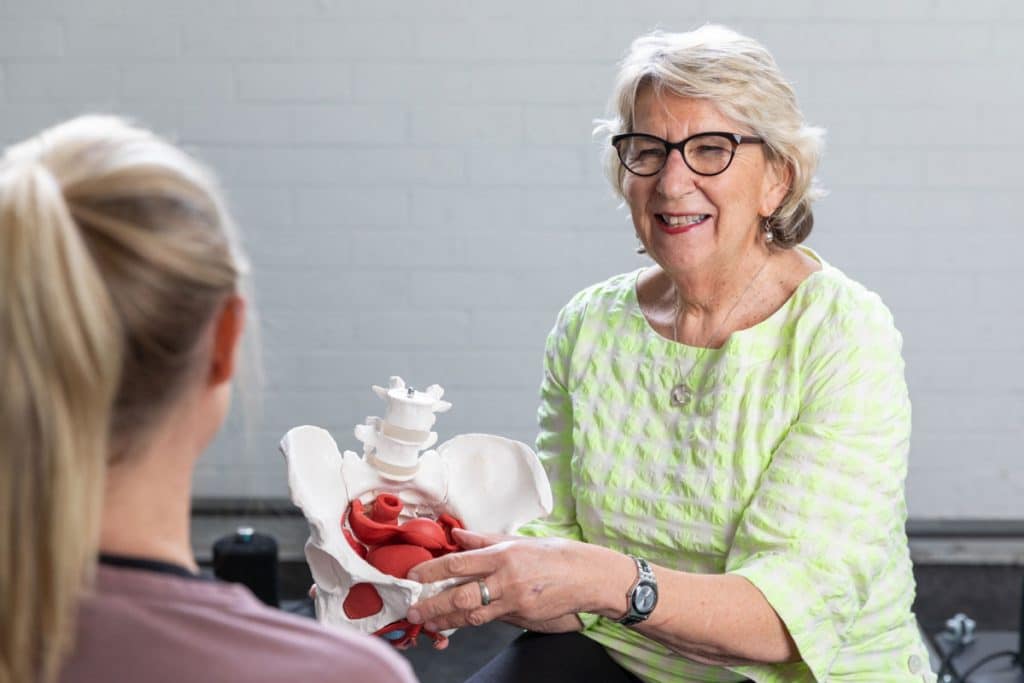

Our East Melbourne Womens health Physios may help with
Pelvic Floor Dysfunction: This condition involves the inability to control the muscles of the pelvic floor correctly. Symptoms may include constipation, straining or pain during bowel movements, and a frequent need to urinate.
Urinary Incontinence: This condition is characterised by a loss of bladder control, leading to accidental urine leakage. It can occur due to weakened pelvic floor muscles.\
Pelvic Organ Prolapse: This condition happens when the muscles and tissues supporting the pelvic organs (such as the uterus, bladder, or rectum) become weak or loose, causing one or more of the organs to drop or press into or out of the vagina.
Pelvic Pain: This can occur due to a variety of conditions, such as endometriosis, interstitial cystitis, or pelvic inflammatory disease.
Chronic Prostatitis/Chronic Pelvic Pain Syndrome (CP/CPPS): This condition affects men and is characterised by pain in the pelvic area lasting more than three months.
Pregnancy and Postpartum-related Issues: Pregnancy and childbirth can cause various problems like diastasis recti (separation of the abdominal muscles), pelvic girdle pain, back pain, Mastitis, and pelvic floor dysfunction.
Mastitis: We are able to help women during the post-natal stage if they encounter mastitis through a range of techniques including therapeutic ultrasound.
Post-Surgical Rehabilitation: Patients undergoing pelvic surgery, such as hysterectomy, prostatectomy, or surgeries for rectal or colon cancer, may benefit from physiotherapy.
Sexual Dysfunction: Certain sexual problems, like pain during intercourse (dyspareunia), can occur due to issues with the pelvic muscles.
Faecal Incontinence: This is the inability to control bowel movements, causing stool to leak from the rectum.
Learn more about ‘What is a Pelvic Floor Physiotherapist?’
Our Womens Health Physiotherapy East Melbourne may help with
Pregnancy Support:
In East Melbourne we're here with you from the first trimester to your due date — monitoring your pelvic floor health, managing discomfort and keeping your body strong and supported throughout your pregnancy.
Postnatal Recovery:
Your recovery deserves proper care. We'll help you heal, restore understand how to recover as you care for your new baby.
Birth Preparation:
Go into labour informed and ready. We'll help you prepare your body and your pelvic floor for birth.
Prostatectomy Preparation & Recovery:
Surgery goes better when your body is prepared — and recovery is faster with the right support. We'll work with you before and after your prostatectomy to protect your continence and restore function.
Urinary Incontinence:
Leaking when you laugh, sneeze or exercise is common — but it's not something you have to accept. We'll find the cause and give you a plan that actually works.
Painful Sex:
Pain during intercourse is more common than people talk about, and it's very treatable. We offer expert, discreet care in a safe space — because you deserve to feel comfortable in your own body.
Pelvic Pain:
Whether it's endometriosis, interstitial cystitis or pain that's never had a proper explanation — we take it seriously and work with you on a plan that genuinely helps.
Mastitis:
Blocked ducts and breast inflammation don't have to derail your postnatal experience. We treat mastitis effectively with therapeutic ultrasound so you can get back to feeding and recovery faster.
Pelvic Organ Prolapse:
That heaviness or dragging sensation in your body asking for help — and there's a lot we can do. We'll explain what's happening, and help provide a plan for treatment.
Pessary Fitting:
A well-fitted pessary can be life-changing for managing prolapse or incontinence. We'll assess your suitability, fit it properly and make sure you're comfortable and confident using it.
Meet the Move Beyond East Melbourne Womens Health Physiotherapy Team

Sally Walker
Physiotherapist
Women’s pelvic floor disorders, hypermobility spectrum disorders & musculoskeletal rehabilitation

Rachel Bell
Physiotherapist
Clinical interests in Pelvic floor disorders, Pre/post-natal & Pelvic health in exercise

Libby Oldfield
Physiotherapist
Clinical interests in Pelvic pain, Pre/post-natal health & Menopause health

Tiana Stannard
Physiotherapist
Clinical interests in Pelvic health, Return to sports after childbirth, pelvic disorders, gynaecological surgery and Sports and performing arts injuries

Move Beyond East Melbourne Womens Health Physiotherapy Clinic Contact Details

Ground Floor, 200 Victoria Parade, East Melbourne 3002


Opening Hours
Monday – Thursday: 7:30am–6pm
Friday: 7:30am–4:30pm
Saturday: Closed
Sunday: Closed

There are lots of paid 2 hour spots on Lansdowne, Victoria Parade and surrounding streets.

A short walk from Parliament station and a number of trams and buses out the front for you to choose.
Online Womens Health Physio Booking at East Melbourne
Need help with making an appointment?
The Client Experience Team at Move Beyond is here to assist. If you are having trouble booking online or would prefer a different method, please reach out to us below:
FAQs
What happens during a pelvic health physiotherapy assessment? Will there be an internal examination?
Your first session is 60 minutes and is part of our discovery phase and will include discussing your health, goals, a physical assessment, treatment, and exercises. Your practitioner will create a tailor-made plan with you to help you reach your health goals.
Your assessment may involve an internal pelvic examination – however, this will only be performed with your consent, following a thorough explanation of the purpose of the examination and what is involved. You may also request to have a chaperone present during the examination
Your care may include us communicating with your existing healthcare professionals or suggesting services to help you achieve your health goals. We want to make sure you are seeing the right person at the right time to set you up for success.
Almost all clients will need a 30 minute follow up consult to help shape their management program and check diagnosis and progress to ensure we help you achieve your goals.
Is pelvic health physiotherapy just for women?
No. While much of pelvic health physiotherapy focuses on women's health, our East Melbourne team also treats men experiencing pelvic pain, urinary incontinence, and post-prostatectomy recovery. Pelvic floor dysfunction can affect anyone, and our practitioners are trained to assess and treat both men's and women's pelvic health concerns.
When should I see a pelvic health physiotherapist during pregnancy?
You can see a pelvic health physiotherapist at any stage of pregnancy, many people start in the first trimester to establish a baseline and continue through to birth preparation in the final weeks. Common reasons to book include pelvic girdle pain, lower back pain, incontinence, and general preparation for labour and delivery.
How soon after giving birth should I see a pelvic health physiotherapist?
We often start our postnatal care with telehealth around the 2 week post birth mark. We generally recommend a postnatal check-up around six weeks after birth, though this can vary depending on your birth experience and any symptoms you're noticing sooner, such as pain, heaviness, or leaking. If you've had a caesarean, significant tearing, or any complications, it's worth checking in with our East Melbourne team for guidance on timing.
What is pelvic organ prolapse, and how is it treated?
Pelvic organ prolapse occurs when the muscles and tissues supporting the bladder, uterus, or rectum weaken, causing one or more organs to shift or press into the vaginal wall. It often presents as a feeling of heaviness, dragging, or bulging. Treatment may include pelvic floor muscle training, lifestyle modifications, and in some cases, a pessary, a supportive device fitted and managed by your physiotherapist. Our team will explain your specific type and grade of prolapse and build a treatment plan around your goals.
Can pelvic health physiotherapy help with painful sex?
Yes. Pain during intercourse (dyspareunia) is common and very treatable, though it often goes undiscussed. Our physiotherapists provide a safe, private space to explore the cause which, may relate to pelvic floor muscle tension, scar tissue, hormonal changes, or other factors — and build a treatment plan that helps you feel comfortable and confident in your body again.
What is a pessary, and how do I know if I need one?
A pessary is a removable device inserted into the vagina to provide support for pelvic organ prolapse or to help manage stress incontinence. Not everyone with prolapse needs one, but for many people it can be genuinely life-changing. Our East Melbourne team can assess your suitability, fit you with the right type and size, and make sure you feel confident inserting, wearing, and removing it.
Can pelvic health physiotherapy help with bladder leakage (urinary incontinence)?
Yes. Leaking when you laugh, cough, sneeze, or exercise is extremely common but is not something you need to simply live with. Our physiotherapists will assess your pelvic floor function and identify the underlying cause of your incontinence, then build a targeted treatment plan, most commonly involving pelvic floor muscle retraining, to help resolve or significantly improve your symptoms.
How can pelvic health physiotherapy help men recovering from prostate surgery?
Pelvic floor physiotherapy before and after a prostatectomy can significantly improve continence outcomes and speed recovery. Pre-surgical preparation focuses on pelvic floor strengthening, while post-surgical care supports the return of bladder control and addresses any pelvic pain that may arise during recovery.
How many sessions of pelvic health physiotherapy will I need?
This varies depending on your condition and goals. Most clients have an initial 60-minute assessment followed by a 30-minute follow-up to review progress as a minimum. Some conditions resolve within a handful of sessions, while others, particularly chronic pelvic pain or complex prolapse, benefit from a longer-term, staged approach. Your physiotherapist will give you a realistic timeline at your first visit. Please note the pelvic floor training can be very different to other muslce training and committing to a program and having regular reviews is our way of making sure we get you to your goals.
Is pelvic health physiotherapy covered by Medicare or private health insurance?
You may be eligible for a Medicare rebate under a Chronic Disease Management (CDM) plan, which must be arranged by your GP before treatment begins. We also accept DVA, TAC, and WorkCover where applicable. Most private health funds with extras cover include physiotherapy, and you can claim your rebate on the day using our on-site HICAPS terminal.
Ready to start your
journey to freedom
Ready to take the next step in your health journey? Our Team may help, Book an appointment or call.


We’ll send you only what matters — no noise, no spam.