

Freedom Journal
Sign up to receive updates from Move Beyond.
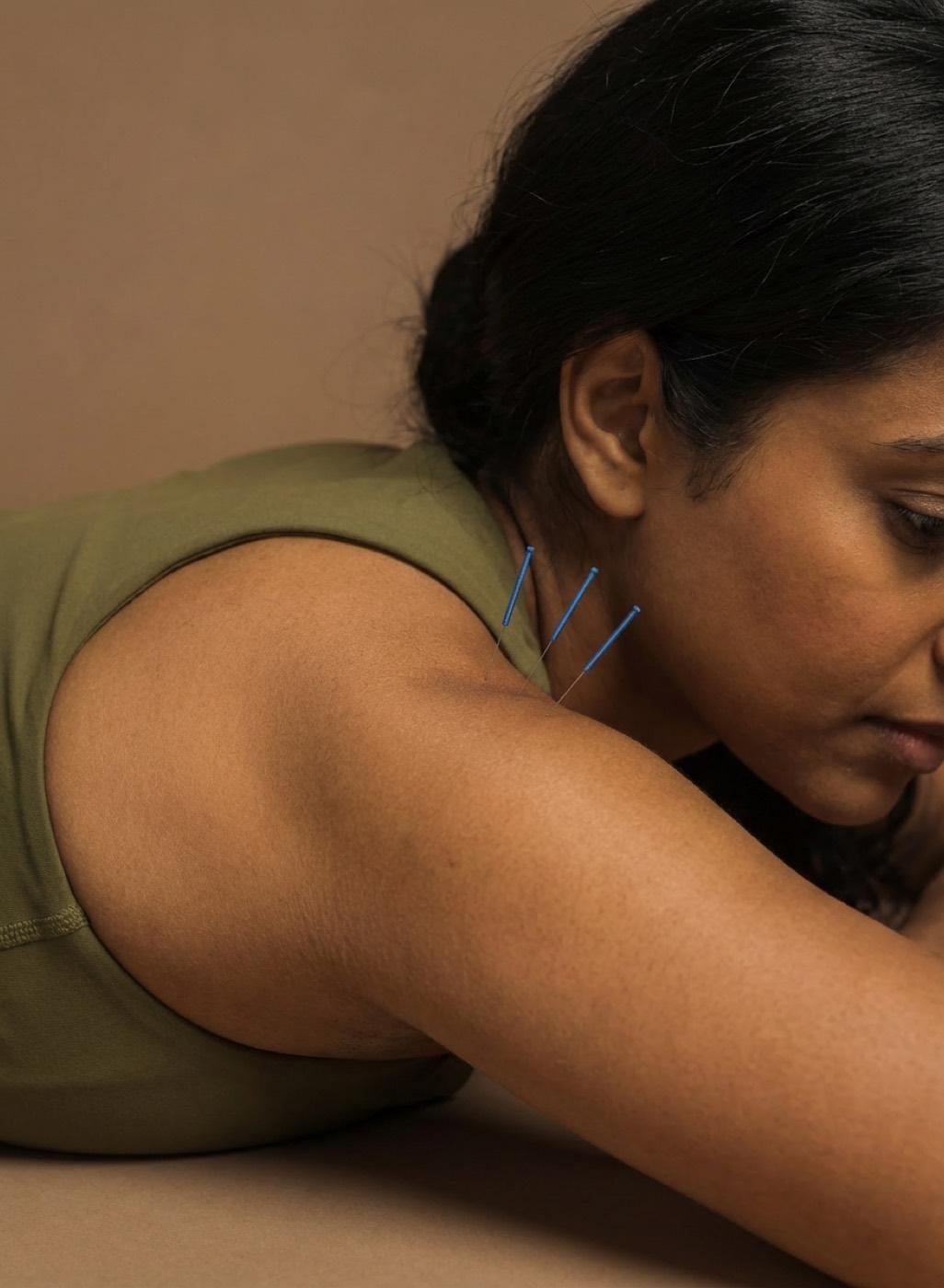
Dry Needling ‚��ì Is This The Same As Acupuncture?
03 June 2020•3 min read
Louis Sacco Myotherpist
What is Dry Needling?
Myofascial Dry Needling is the use of needles for the specific purpose of treating pain and dysfunction in the body’s myofascial (muscle and connective tissue) system. It is based on Western anatomical principles and is a scientifically valid clinical tool that has a central focus on treating Myofascial Trigger Point’s. Part of Dry Needling’s origins is in the work of Dr. Karel Lewit of Czechoslovakia, who examined the short and long-term effects of dry needling in the treatment of Myofascial pain in the mid 1970s. His treatment results were favourable and therefore dry needling began to spread through the medical community on an international level.
What is a Myofascial Trigger Point?
A trigger point is a common symptom of Myofascial pain and discomfort, which are located within tight bands of muscles that are tender to touch (Think about the times you have complained of a “knot” in your back – this is a trigger point!). Trigger points can cause pain, a decrease in movement, weakness and can refer pain to other areas of the body. Typically, a trigger point is built up of waste products from our body, mainly calcium.
How does it work?
The main use is aimed at deactivating specific trigger points in muscles. Using dry needling for trigger points promotes an inflammatory response in the area, this encourages the body to replace calcium with magnesium, which allows the muscle to relax (decreasing the “knot”). It also has an effect on our brain, essentially it alters or “resets” the message being sent from the muscle/painful area to the brain, allowing our nervous system to lower sensitivity in the area. Dry needling can also help regain some loss of sensation/feeling of the body with the use of Dermatome needling, essentially resetting the message being sent through specific nerves to regain feeling, strength and control.
Difference between acupuncture and Dry Needling?
In practice of dry needling, the treatment aim is to recognise, treat and resolve myofascial trigger points. It focuses on directly impacting the muscles of the body, as well as the nervous system.
Whereas, Acupuncture is one of the key modalities of Traditional Chinese Medicine (TCM). Acupuncture consists of needles being inserted into specific energy channels throughout the body (meridians). This clears energy blockages and encourages the normal flow of energy (Qi) in the body. There are around 400 acupuncture points in the body, each is specifically mapped out on the body and plays its own part with influencing specific imbalances.
Both play important parts in our bodies healing function but both have different histories and principles.
Who uses it?
Dry needling is a well-known and well used tool for a wide range of Allied Health professionals. All Myotherapists complete the subject within their studies, whilst other professionals complete a course outside of their studies as professional development courses. Therefore, all Myotherapists, and those Osteopaths, Physiotherapists, Remedial Massage Therapists, Podiatrists and other allied health professionals who complete a Dry needling course can use it in their treatment. Here at Beyond, our Myotherapists and Osteopaths use Dry Needling in their consultations.
Common conditions?
Dry Needling can be used for any injury or pathology, the use depends on if the practitioner believes this method of treatment will be beneficial for each patient they see. Some common injuries/pathologies that needling can help with include:
Lower back pain
Postural issues
Headaches/migraines
Jaw pain
Muscle tears
Nerve issues
Are you interested in trying Dry Needling but not sure where to start? Check out our “What is Myotherapy” blog to find out what common treatment methods Dry needling is accompanied with.

Ready to start your
journey to freedom
Ready to take the next step in your health journey? Our Team may help, Book an appointment or call.


Be the first to know
We’ll send you only what matters — no noise, no spam.
© 2026. Move Beyond. All Rights Reserved.