

Freedom Journal
Sign up to receive updates from Move Beyond.
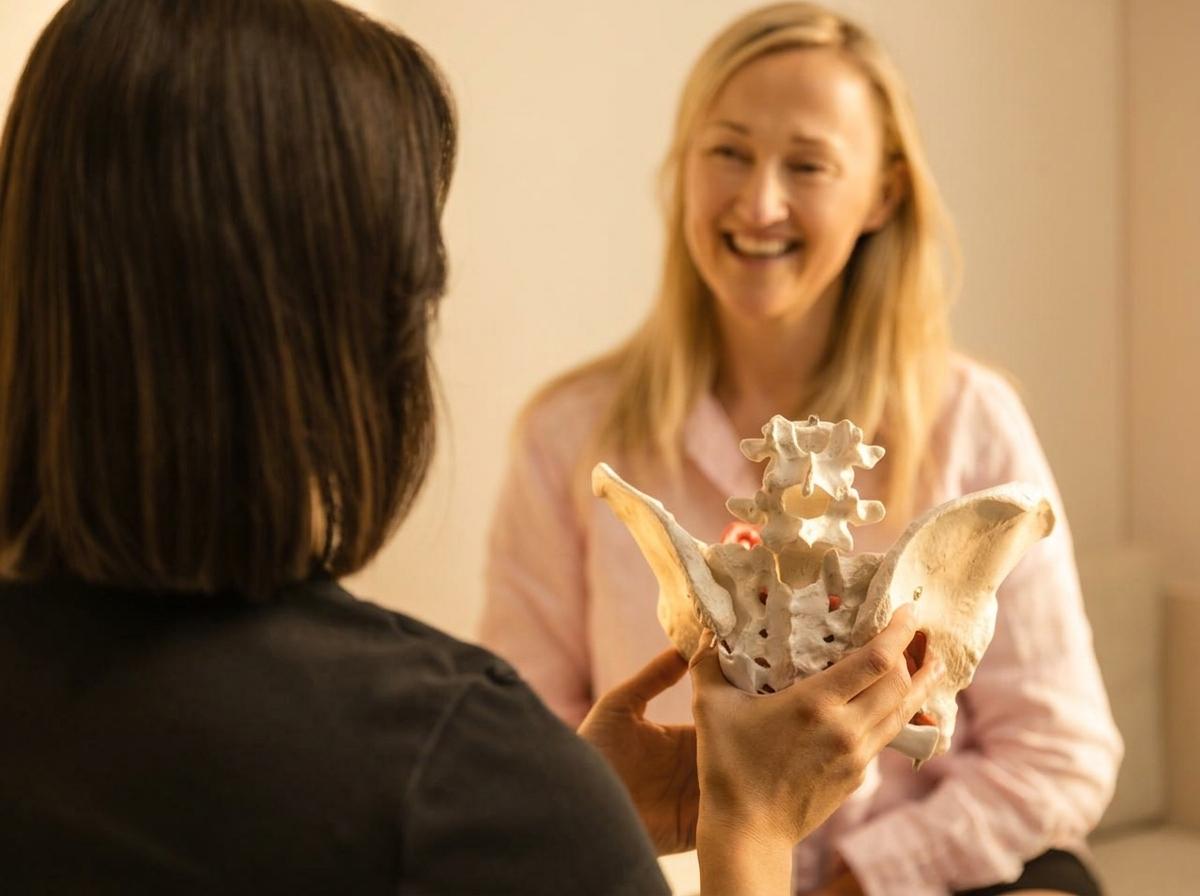
Pelvic Floor Overactivity: Signs, Causes and Treatment
30 November 2021•1 min read
Pelvic floor muscle overactivity occurs when there’s increased tension in the pelvic floor muscles at rest. In this condition, the muscles don’t completely relax or may even contract when relaxation is actually needed. A properly functioning pelvic floor should be capable of both contracting and completely relaxing as needed.
When the pelvic floor muscles maintain excessive tension, various uncomfortable symptoms can emerge. You might experience difficulty emptying your bowels and find yourself straining during bowel movements. Bladder issues are also common, including sudden urgency to urinate or even leaking of urine. Many people report a persistent feeling of incomplete bladder emptying despite their efforts.
Intimate discomfort is another telltale sign of pelvic floor tension. This might manifest as pain during intercourse, discomfort when inserting tampons, or pain during pap smear examinations. Beyond these specific situations, you might also experience more general pelvic pain or even lower back and hip pain that seems difficult to resolve.
If you’re experiencing any of these symptoms, it’s important to seek professional help. A pelvic health physiotherapist specialises in diagnosing and treating these exact issues. They can provide personalized assessment and treatment options to help restore proper function to your pelvic floor muscles and alleviate these uncomfortable symptoms.
If you would help with your symptoms, please book your appointment here

Ready to start your
journey to freedom
Ready to take the next step in your health journey? Our Team may help, Book an appointment or call.


Be the first to know
We’ll send you only what matters — no noise, no spam.
© 2026. Move Beyond. All Rights Reserved.