Pre Pointe Assessment Chatswood
Pre-pointe Assessment Chatswood
Starting pointe work is a huge milestone for any dancer — but going up too early, before the body is truly ready, is one of the most common causes of injury in young dancers. A pre-pointe assessment gives dancers, parents and teachers a clear, objective answer to the question every dance family asks: is my dancer ready?
At Move Beyond Chatswood, our pre-pointe assessments are conducted by practitioners experienced in dance-specific screening. We look beyond age and enthusiasm to assess the strength, control and range of motion a dancer actually needs to move safely en pointe — then build a plan to get them there.
While most dancers who come through our doors for a pre-pointe assessment are aged 11–14, we assess dancers of any age taking up pointe work for the first time, including adult beginners.
Our Chatswood clinic is easily accessible for dancers and families across the Lower North Shore, including Willoughby, Artarmon, Lane Cove, St Leonards and Roseville.
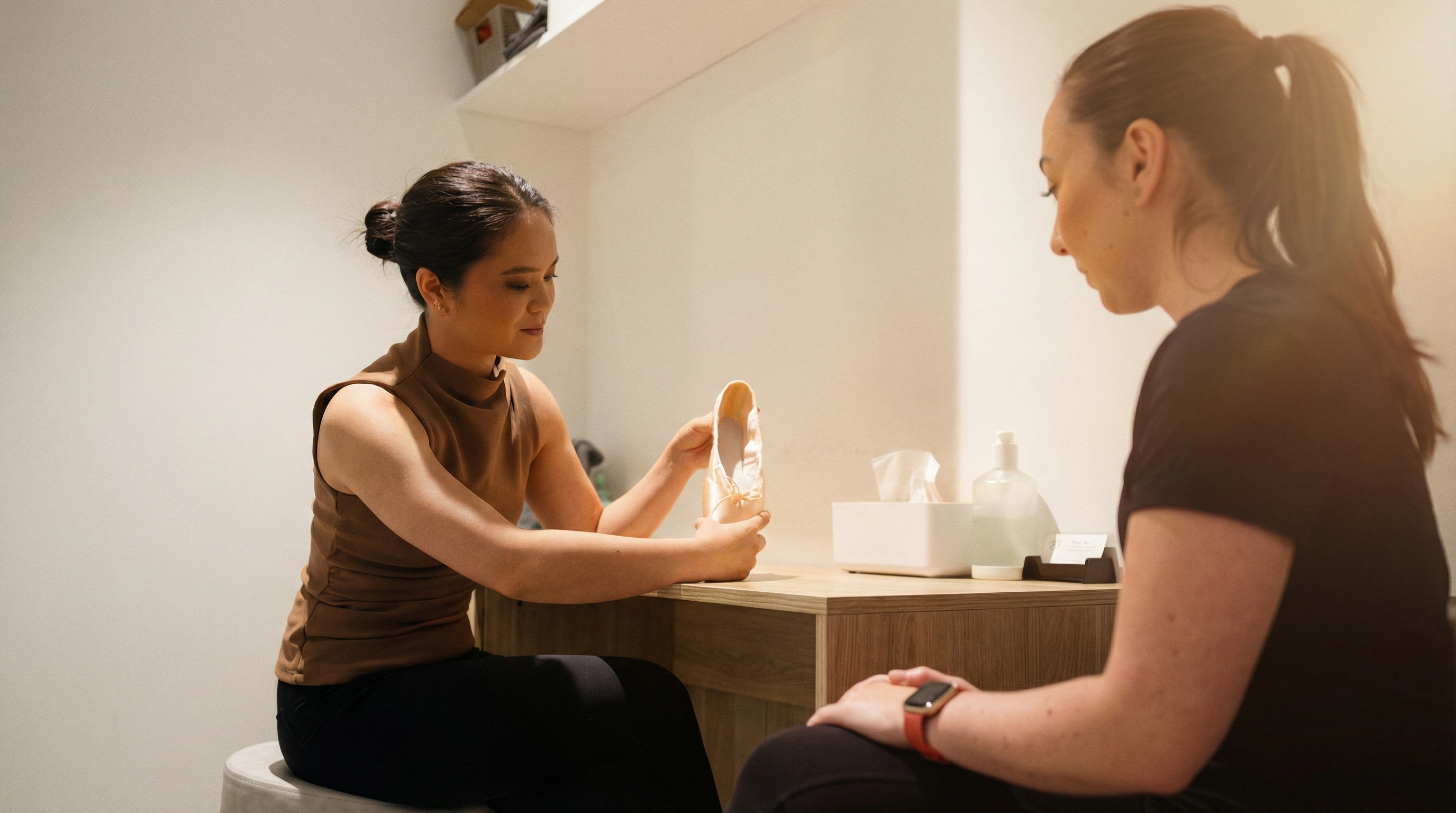
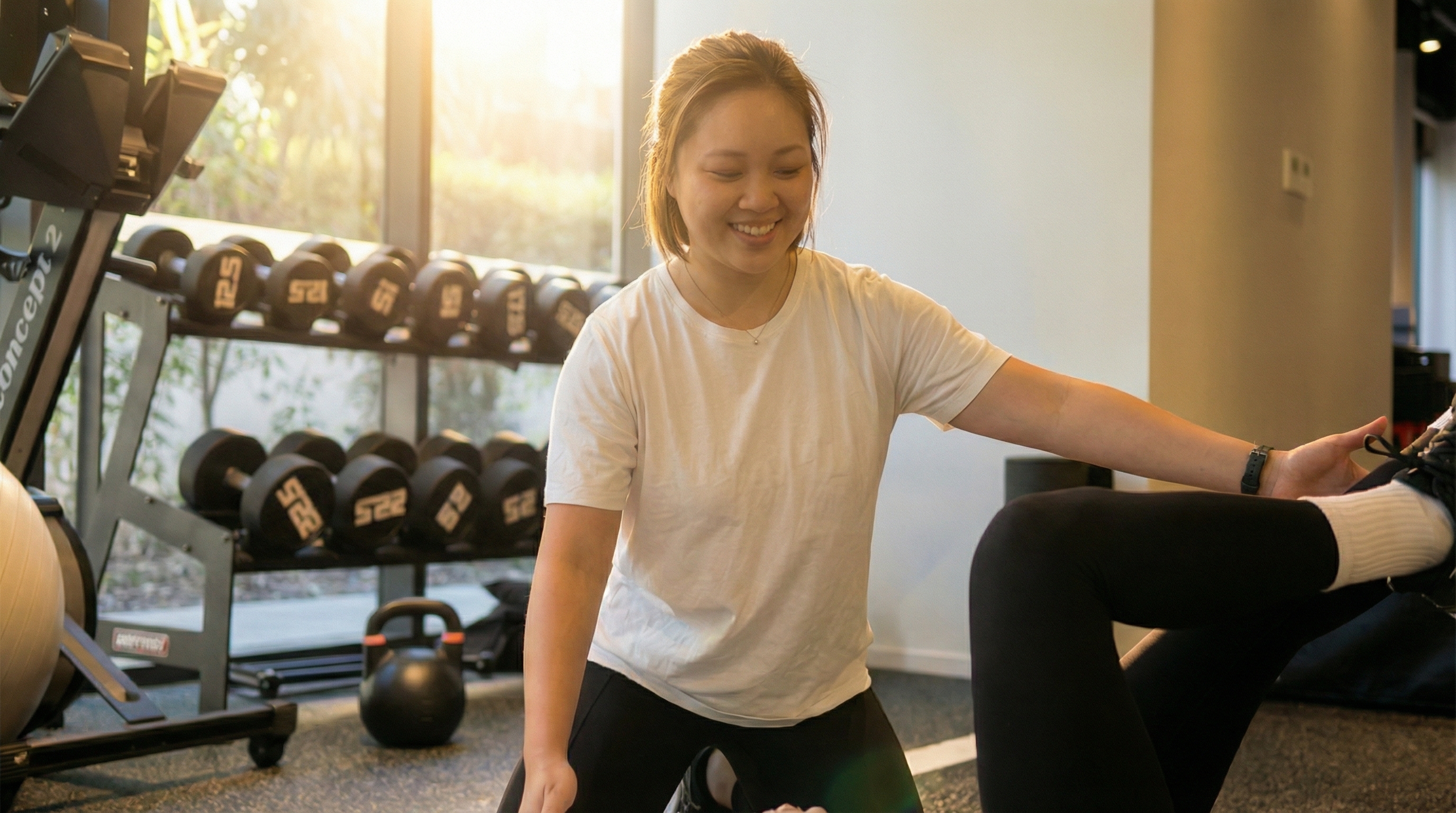
Your First Pre-pointe Assessment at Chatswood
Your pre-pointe assessment is a 1-hour initial appointment. We'll work through a comprehensive dance-specific assessment, take your dancer through corrective exercises, and put together a clear plan for the weeks ahead. A written report is then sent to your dancer's teacher (and parents) outlining the outcome and any recommendations.
What we assess:
Lower limb strength The foundation for control and safety en pointe — we assess strength through the hips, knees and legs to make sure your dancer has the base strength to support their body weight on pointe.
Ankle range of motion and flexibility We measure ankle range of motion against the flexibility genuinely required for pointe work, including whether any limitations are things we can improve with targeted exercise, or anatomical limitations we need to work around.
Foot intrinsic strength The small muscles of the foot do a lot of the work in maintaining control and alignment on pointe. We assess and, where needed, build this strength specifically.
Balance Pointe work demands a level of single-leg control and proprioception well beyond flat work. We test balance and stability as a key marker of readiness.
Core control A strong, controlled core underpins safe alignment through the whole body en pointe. We assess how well your dancer can control their trunk and pelvis under load.
What to wear: Please wear clothing that isn't too loose, so we can clearly assess posture and alignment. Assessments are done barefoot, no shoes are required.
What Our Pre-pointe Assessment
may help with
Pointe readiness assessment:
A clear, objective evaluation of whether a dancer has the strength, control and range of motion needed to safely begin pointe work — taking the guesswork out of "is my dancer ready?"
Ankle range of motion and flexibility:
Assessing and improving ankle mobility against the specific range required for pointe, and identifying whether any limitations can be improved with exercise or are anatomical.
Lower limb and foot strength deficits:
Building the strength through the legs and the small intrinsic muscles of the foot that dancers need to support their full body weight en pointe.
Core and pelvic control:
Improving trunk and pelvic stability to support safe alignment and control through the whole body on pointe.
Balance and single-leg control:
Developing the proprioception and stability pointe work demands, well beyond what's needed for flat work.
Hypermobility management:
Tailored strength and stability programs for hypermobile dancers, who often need additional conditioning before pointe work is safe.
Growth-related reassessment:
Re-evaluating strength and flexibility after growth spurts, which can temporarily change a dancer's readiness even after an earlier pass.
Return to pointe after injury or a break:
Rebuilding strength and control safely before returning to pointe following time off, injury, or a change in training load.
Adult beginner pointe preparation:
Building pointe-specific strength and control from the ground up for adult dancers taking up pointe work for the first time.
Coordinated care with dance teachers:
Ongoing communication between your dancer's physiotherapist and their teacher, so training and rehab are aligned every step of the way.
Meet the Chatswood Dance Physio Team
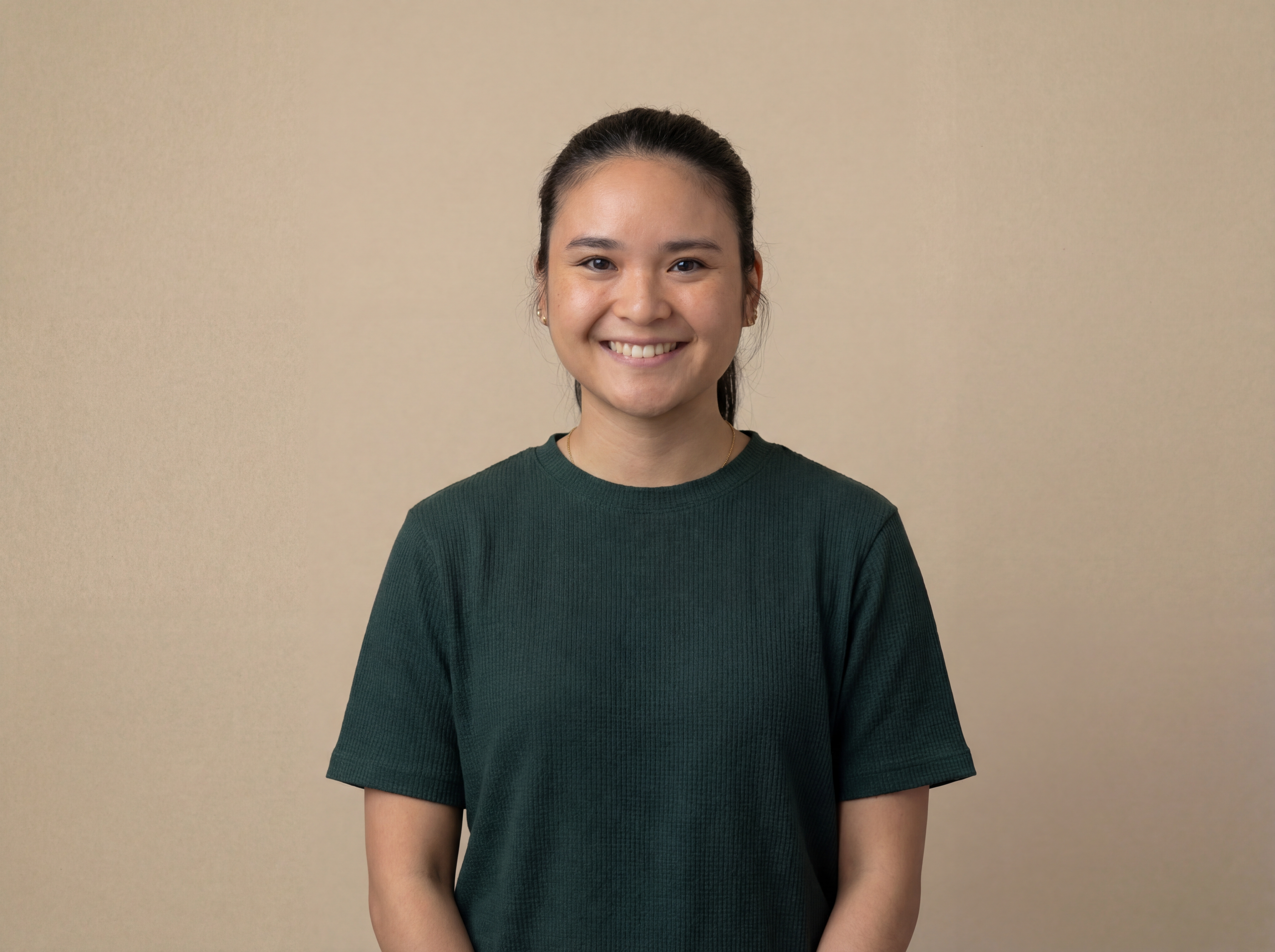
Sarah Silva
Physiotherapist
Clinical interests in Foot and Ankle, Knee pain, Dance physio/Pre-Pointe Assessments

Move Beyond Chatswood Contact Details

2/1A Freeman Road Chatswood NSW 2067

(02) 72057339


Opening Hours
Monday 7am -7pm
Tuesday 8am - 7pm
Weds 7.30am -7pm
Thurs 7.30am - 6.30pm
Fri 7am - 4pm
Sat 7.30am -12.30pm

Chatswood is approximately a 7–8 minute walk from Chatswood Station (T1 North Shore Line, T9 Northern Line), Sydney Metro (M1) and extensive bus connections. Bus routes servicing the interchange include the 120, 144, 281, 530, 113, 255, 256 and 1A.

There is ample on street parking in the area, with 2 hour parks and daily parks located directly at the front of clinic
Book Pre-pointe Assessment Chatswood
Need help with making an appointment?
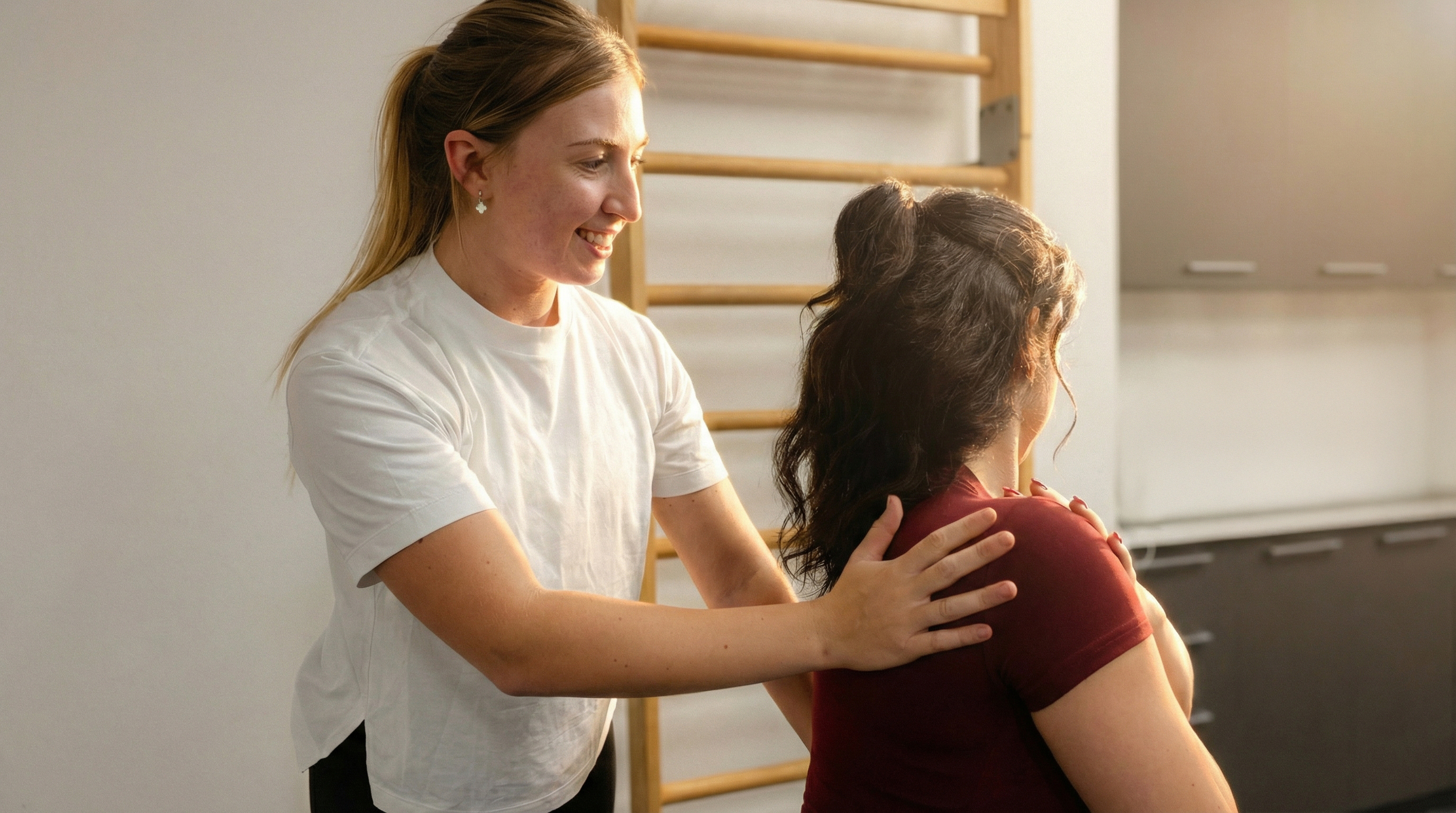
The Client Experience Team at Move Beyond is here to assist. If you are having trouble booking online or would prefer a different method, please reach out to us below:
FAQs
What is a pre-pointe assessment?
A pre-pointe assessment is a physical evaluation used to determine whether a dancer has the strength, ankle range of motion, foot control, balance and core stability required to safely begin pointe work. It's typically recommended by a dance teacher before a student is permitted to start pointe classes.
At what age should a dancer have a pre-pointe assessment?
Most dancers have their pre-pointe assessment between 11 and 14 years old, which is when many studios first introduce pointe work. However, readiness is based on physical development rather than age alone, so we also assess older teens and adult beginners taking up pointe for the first time.
Is it normal to not pass a pre-pointe assessment the first time?
Yes, it's very common. Most dancers have at least one or two areas — often ankle range of motion, foot intrinsic strength or lower limb strength — that need further development before reaching a safe baseline for pointe work. This isn't a failure; it's simply part of preparing the body properly.
How long does it take to pass a pre-pointe assessment?
This varies from dancer to dancer depending on their starting strength and flexibility, but as a general guide, most dancers are ready to pass a reassessment within 4 to 6 weeks of targeted exercise and follow-up sessions.
What happens if my dancer doesn't pass?
You'll be given a home exercise program and a follow-up schedule, usually one session a week (30–45 minutes), or twice a week if more work is needed. We stay in contact with your dancer's teacher throughout so everyone understands where your dancer is at in their progress.
What is a provisional pass?
A provisional pass is sometimes offered where all parties — parents, teacher and physiotherapist — agree it's appropriate, for example where a dancer is very hypermobile and needs a longer timeframe to build stability, where a delay would cause a dancer to be separated from their class age group, or where an ankle's range of motion is limited by anatomical structure rather than a lack of strength work. It's always a shared decision made in consultation with your dancer's teacher and family.
What should my dancer wear to a pre-pointe assessment?
Please wear clothing that isn't too loose, so we can clearly assess posture and alignment through the hips, spine and legs. No shoes are needed, the assessment is done barefoot.
Do you provide a report for my dancer's teacher?
Yes. After the initial assessment, we prepare a written report outlining the outcome and any recommendations, which is shared with your dancer's teacher and parents.
What happens once my dancer passes their pre-pointe assessment?
Once your dancer starts pointe work, we schedule a check-in appointment around the one-month mark. Please bring your dancer's pointe shoes to this session. We'll check how things are going, address anything that's come up, and provide further exercises if needed. If all is well, your dancer is discharged from care.
Can adults have a pre-pointe assessment
Yes. While the majority of our pre-pointe clients are aged 11–14, we regularly assess adult beginner dancers of any age who are starting pointe work for the first time.
Does my dancer need a referral for a pre-pointe assessment?
No referral is needed. You can book a pre-pointe assessment directly with our Chatswood team online or by phone.
How much does a pre-pointe assessment cost?
Please contact our Chatswood clinic directly for current pricing, or book online where fees are listed. Follow-up sessions are charged at standard consultation rates based on session length (30 or 45 minutes).
Ready to start your
journey to freedom
Ready to take the next step in your health journey? Our Team may help, Book an appointment or call.


We’ll send you only what matters — no noise, no spam.